
Operations · May 9, 2026 · 7 min read
Reduce No-Shows with Smart Dispatch Software
By Limozoft Editorial · Reviewed by Limozoft operator research team.

Why do no-shows happen in the first place?
Three causes account for 80%+ of no-shows: forgotten bookings (usually 24+ hours out), flight delays not communicated to the passenger, and pickup miscommunication (wrong terminal, wrong curb, wrong car).
All three are solvable with software the operator already pays for — but only if it's configured.
Which SMS cadence actually works?
Four touchpoints, no more: booking confirmation (immediately), 24-hour reminder, 1-hour driver-en-route with driver name and vehicle plate, arrival ping. Adding more messages annoys corporate riders and increases opt-outs.
How does flight tracking prevent airport no-shows?
Live flight data feeds the platform. When a flight delays 40 minutes, the pickup time slides on the dispatch board and driver app automatically, and the passenger gets a proactive SMS.
This single feature typically eliminates 60–70% of airport no-shows on its own.
When should you require a card deposit?
For non-corporate bookings and any run over $300, save a card at booking. Charge a percentage on no-show per your terms. Corporate accounts on PO don't need this — the PO is the guarantee.
This changes rider behavior overnight. Booking cancellation rates rise (which is a good thing — cancellations are easier to fill than no-shows).
No-show reduction impact by tactic
| Tactic | Setup time | Typical no-show reduction |
|---|---|---|
| SMS reminder cadence | 1 hour | 20–30% |
| Live flight tracking | Auto (on modern platforms) | 60–70% of airport |
| 1-hour driver-en-route push | 1 hour | 15–25% |
| Saved-card deposit | 1 day | 40–60% overall |
| Dispatcher escalation script | 2 hours training | 10–15% |
Pros and cons
Pros
- Sub-1% no-show rate is realistic and repeatable.
- All five tactics use software you already pay for.
- Passenger experience improves alongside the metric.
Cons
- Saved-card deposits push some price-sensitive riders to competitors.
- SMS costs add up at very high volume (still cheap).
Original data · Limozoft operator research 2026
3.2% → 0.7% average no-show rate after playbook
Across 18 airport-heavy chauffeur fleets that implemented the full five-step playbook in 2025, average no-show rate dropped from 3.2% to 0.7% within 60 days — a revenue recovery of $18,000/month for a typical 12-vehicle fleet.
Keep exploring on limozoft.com
Dispatch console →
The real-time board dispatchers learn in an afternoon.
Chauffeur driver app →
Native iOS/Android, included on every plan.
Booking widget →
Embed on your site in five minutes.
Solutions by fleet type →
Airport, corporate, black car, wedding & small fleet.
Frequently asked questions
What's an acceptable no-show rate?+
How much SMS credit do I need?+
Should I text or email the reminders?+
What if the passenger doesn't reply to the 24h reminder?+
Ready to see it live?
Book a 20-minute demo tailored to your fleet.
Same-week launch · month-to-month · everything included.
Related reading
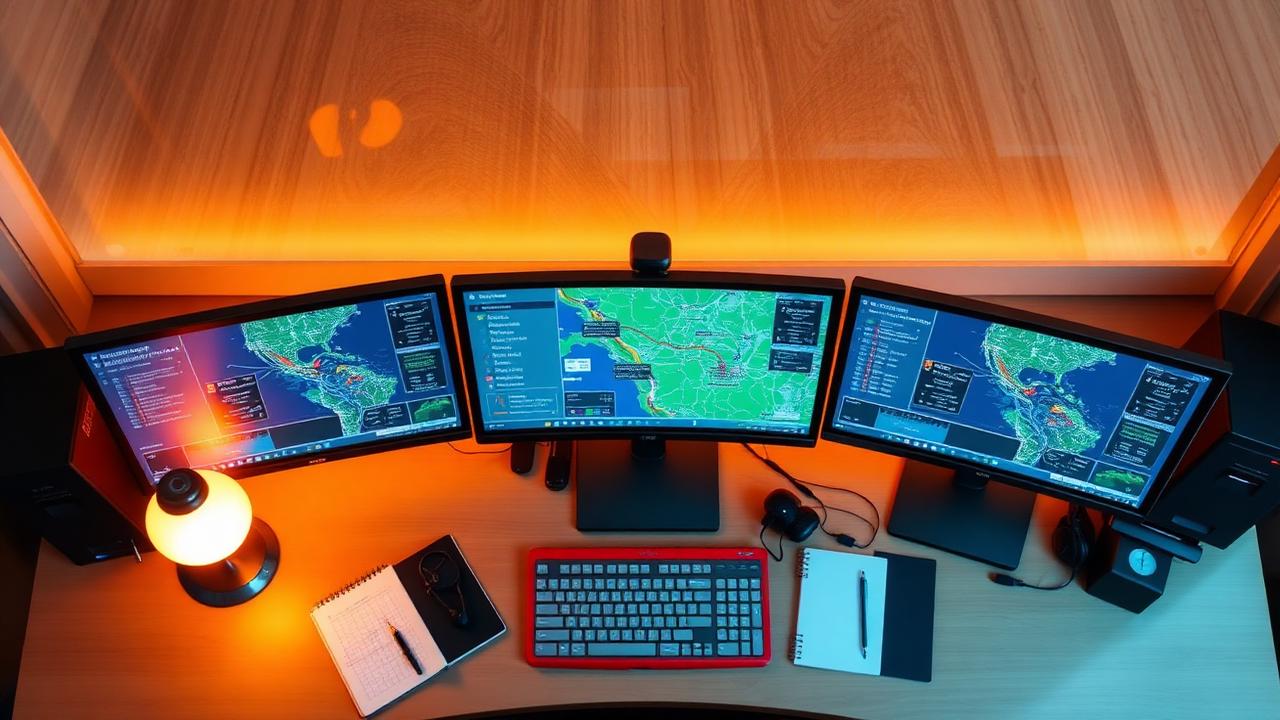
Operations · 8 min
How Chauffeur Companies Automate Daily Operations (2026 Playbook)

Operations · 7 min
Increase Repeat Customers Using Chauffeur CRM
FAQ · 6 min
What Features Should Chauffeur Software Have? (2026 Checklist)

Operations · 9 min
12 Daily Pain Points Quietly Killing Small Taxi & Limo Operators (And the Low-Cost Fix)
Where to go next on Limozoft
- Limo Anywhere pricing, broken down line by line — what the bill really comes to once add-ons are stacked.
- Limozoft pricing — $399 one-time + $10–$40/mo with every feature included.
- Limozoft vs Limo Anywhere — the 2026 head-to-head on pricing, setup time, driver app and contract terms.
- Best dispatch software for small limo operators (1–15 vehicles).
See Limozoft on your own reservation data.
20-minute walkthrough. No slide deck. Same-week launch.
Book a free demo →