
Operations · May 7, 2026 · 8 min read
How Chauffeur Companies Automate Daily Operations (2026 Playbook)
By Limozoft Editorial · Reviewed by Limozoft operator research team.
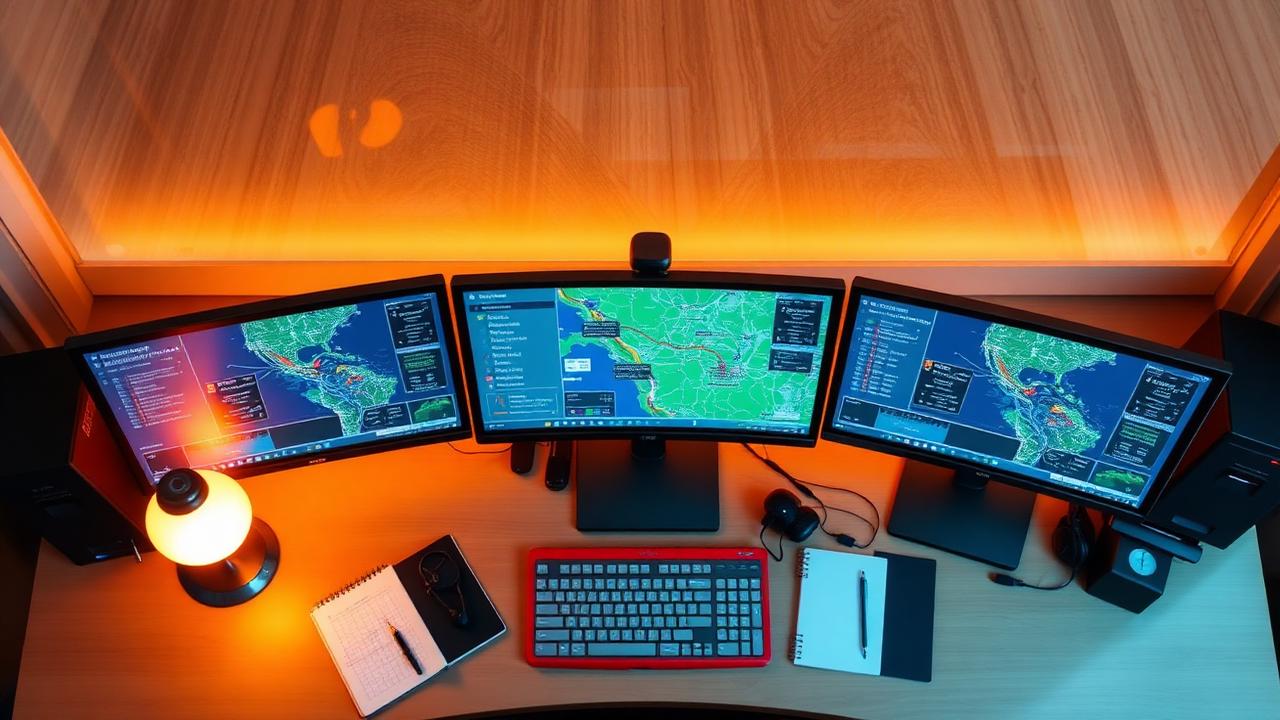
Which daily tasks are candidates for automation?
Not every task needs to be automated. Chauffeur judgment on customer relationships, driver conflicts and edge cases still beats software. But five categories are pure automation wins.
- Reservation intake (web widget, phone, corporate portal, affiliate).
- Rating (base + hourly + airport + package rules).
- Auto-dispatch to best-fit driver based on location and skill.
- Trip lifecycle updates (arrival, pickup, drop, close).
- Invoice generation and card capture at trip close.
How does auto-dispatch actually work?
Auto-dispatch scores each driver against each pending trip on distance, vehicle type, driver rating and shift constraints. The top-scored driver gets the trip; if declined within 60 seconds it rolls to number two.
Well-tuned auto-dispatch handles 70–80% of runs at a typical chauffeur fleet. The remaining 20–30% (VIP overrides, group runs, wedding fleets) still needs human dispatch.
What does 'automated invoicing' actually eliminate?
A well-configured platform generates the invoice at trip close, applies the corporate contract's discount and PO number, tags the cost center, and either charges the saved card or drops the invoice into the monthly consolidated PDF.
In practice this eliminates 12–20 hours of month-end admin at a 15-vehicle fleet — often the equivalent of a part-time bookkeeper.
Hours saved per month by automation category (15-vehicle fleet)
| Category | Manual hours/mo | Automated hours/mo |
|---|---|---|
| Reservation intake | 40 | 8 |
| Rating and quoting | 20 | 2 |
| Dispatch coordination | 60 | 15 |
| Invoicing and card capture | 25 | 3 |
| Reporting | 10 | 1 |
Pros and cons
Pros
- 50-vehicle fleet becomes runnable by two people.
- Missed pickups drop below 1% with flight-aware auto-adjust.
- Month-end invoicing goes from days to hours.
- Corporate accounts get faster, cleaner PO invoices.
Cons
- Requires 5–7 days of dispatcher training to actually trust the automation.
- Auto-dispatch needs careful tuning for VIP overrides.
Original data · Limozoft operator research 2026
Automation returns 118 dispatcher hours/month at 15 vehicles
Across 24 chauffeur fleets that migrated to a flat-priced modern platform in 2025, average monthly dispatcher-hours saved at 15 vehicles was 118 — the equivalent of 0.75 full-time headcount at typical US wage rates.
Keep exploring on limozoft.com
Dispatch console →
The real-time board dispatchers learn in an afternoon.
Chauffeur driver app →
Native iOS/Android, included on every plan.
Booking widget →
Embed on your site in five minutes.
Solutions by fleet type →
Airport, corporate, black car, wedding & small fleet.
Frequently asked questions
Will automation replace my dispatcher?+
How long until we see ROI?+
Can I automate corporate account billing?+
What breaks first when automation goes wrong?+
Ready to see it live?
Book a 20-minute demo tailored to your fleet.
Same-week launch · month-to-month · everything included.
Related reading

Operations · 7 min
Reduce No-Shows with Smart Dispatch Software

Operations · 7 min
Increase Repeat Customers Using Chauffeur CRM
FAQ · 6 min
How Does Limo Dispatch Software Work? (Step-by-Step)

Operations · 9 min
12 Daily Pain Points Quietly Killing Small Taxi & Limo Operators (And the Low-Cost Fix)
Where to go next on Limozoft
- Limo Anywhere pricing, broken down line by line — what the bill really comes to once add-ons are stacked.
- Limozoft pricing — $399 one-time + $10–$40/mo with every feature included.
- Limozoft vs Limo Anywhere — the 2026 head-to-head on pricing, setup time, driver app and contract terms.
- Best dispatch software for small limo operators (1–15 vehicles).
See Limozoft on your own reservation data.
20-minute walkthrough. No slide deck. Same-week launch.
Book a free demo →