
How to Build a Limo Booking Website That Converts
Limozoft · 2 October 2026 · 7 min read
A practical guide to building a limo booking website that turns visitors into reservations with instant quotes, mobile design and local SEO.
A limo booking website converts when a visitor can understand what you offer, trust that you will show up, and reserve a ride in a couple of minutes without picking up the phone. That combination of clarity, trust, and a working online booker is what separates a site that quietly collects dust from one that fills your calendar.
Below are the practical pieces a small operator running 1 to 10 vehicles needs to pull that off: the pages you need, how to add instant quotes, why mobile comes first, the trust signals that reduce hesitation, basic local SEO, and how to connect the whole thing to dispatch so bookings do not pile up in an inbox.
Essential pages for a limo booking website
You do not need a sprawling website. A small chauffeur business converts with five focused pages, each doing one job.
- Home: State who you serve and where in the first screen. A rider should know within seconds that you cover their city and the kind of trip they need, whether that is an airport transfer, a wedding, or a corporate pickup.
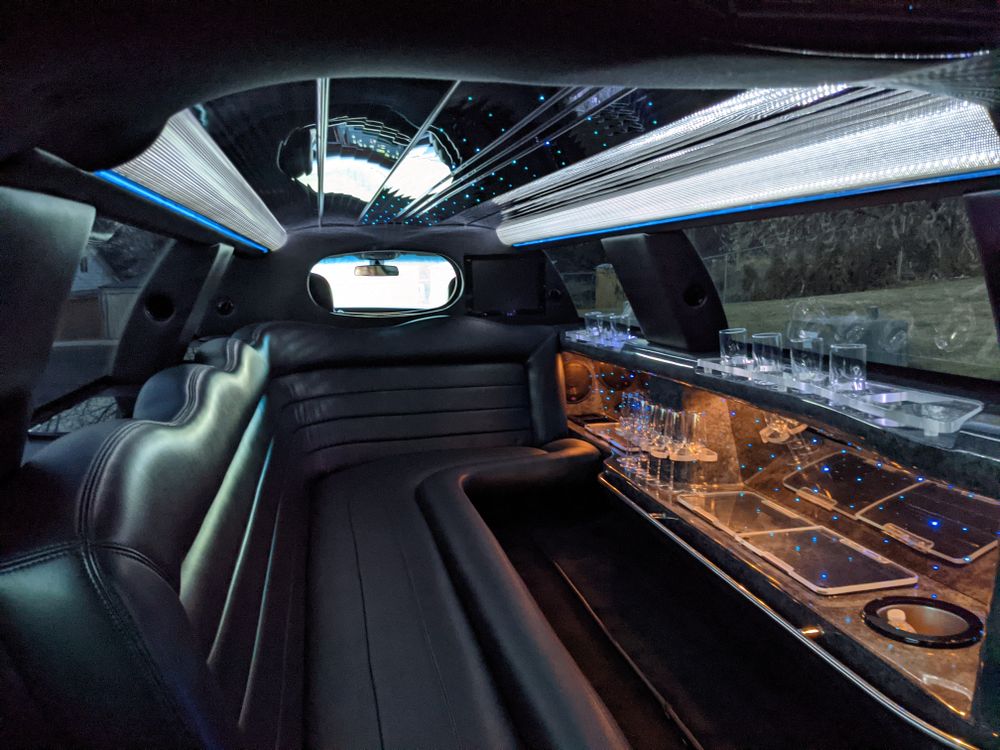
- Services or fleet: Show your vehicles with real photos and plain descriptions, including passenger capacity. Riders choosing a car for a prom group or an executive run want to picture the actual vehicle, not a stock catalog shot.
- Booking or quote: The page that earns money. More on this below.
- About: This is where trust lives. List your licensing, insurance, years in business, and a real phone number. Small operators win here because a named owner feels safer than a faceless app.
- Reviews: A dedicated place for testimonials, or reviews pulled from Google, so a first-time visitor can see other people trusted you.
Keep the writing concrete. Replace vague lines like "premium service" with specifics: "Flat-rate airport transfers, meet-and-greet at arrivals, flight tracking included." Specifics convert because they answer the questions a nervous first-time booker is already asking.
Adding an online booker and instant quotes
The single biggest upgrade you can make is replacing "call us for a quote" with an online booker that returns a price on the spot. A plain contact form captures a lead, but it forces the rider to wait, and every hour of waiting is a chance for them to book a competitor who answered faster.
An instant quote works by taking a few inputs, pickup location, drop-off or hourly duration, date, time, and vehicle, then calculating a fare from your own rates. The rider sees the price, enters contact and payment details, and confirms. No phone tag.
A few rules keep the booker converting:
- Ask for the minimum. Every extra field costs you completions. Collect what you need to price and confirm the trip, and gather the rest later.
- Show the price before you ask for payment. Hiding the fare until the final step erodes trust and spikes abandonment.
- Offer the quote 24/7. A meaningful share of reservations come in during evenings and weekends when no one is answering the phone, so a booker that works around the clock captures trips a voicemail would lose.
If building this from scratch feels heavy, a purpose-built booker handles the pricing logic and payment capture for you. Limozoft includes a web booker that produces instant quotes from your rates and passes the reservation straight into dispatch, which is the connection most generic form builders miss.
Mobile-first design for on-the-go bookings
Design for the phone first, because that is where most riders will find you and reserve. Someone standing at an airport curb or planning a night out is far more likely to be on a small screen than at a desk, and a site that is awkward to tap through on mobile loses them before the quote loads.
Mobile-first means a few concrete things:
- Big, thumb-friendly tap targets. Buttons and form fields should be easy to hit without zooming.
- A booking button that is always reachable. Keep a clear path to the quote form visible as the rider scrolls.
- Short forms with the right keyboards. Trigger the number pad for phone fields and a date picker for dates so typing is effortless.
Speed is the part operators underestimate. Riders abandon slow pages, and the effect is measurable: a Deloitte and Google study of mobile sites found that improving load time by just 0.1 seconds lifted retail conversion rates by 8.4%. On a limo site, a faster quote page is a direct lever on how many visitors finish a booking. Compress your vehicle photos, avoid heavy page builders stuffed with scripts, and test your booking flow on an actual phone over a cellular connection, not just office wifi.
Building trust with reviews and clear pricing
Trust is the quiet reason a visitor books or bounces. For a ride they are paying for in advance, often for an important event, people need reassurance that you are legitimate and that the price is honest.
Reviews carry most of that weight. They are a near-universal step in choosing a local service: BrightLocal's 2025 Local Consumer Review Survey found that 96% of consumers are open to reading online reviews, with only a small minority who never do. Put real reviews where a hesitant visitor will see them, on the home page and beside the booking form, and make collecting them a habit by sending a short request after every completed trip.
Clear pricing is the other half. Show how you charge, whether flat-rate, hourly, or by zone, and name any extras like tolls, gratuity, or wait time before the rider commits. Surprise fees at checkout are one of the fastest ways to lose a booking and earn a bad review.
Round out your trust signals with the basics: visible licensing and insurance, professional photos of your actual vehicles and chauffeurs, and a real phone number for riders who still prefer to call. Each of these chips away at the hesitation that keeps a visitor from finishing a booking.
Basic SEO to get found locally
Local search is how most new riders will discover you, so a converting website also has to be findable. You do not need an SEO agency to cover the fundamentals.
Start with these:
- Google Business Profile. Claim it, complete every field, add photos, and keep your hours accurate. For a local limo business this profile often sends more calls and clicks than the website itself.
- City and service keywords. Work natural phrases like "airport limo in [your city]" or "wedding chauffeur [your region]" into your page titles, headings, and body copy. Write for a reader first; match how people actually search.
- Consistent name, address, and phone. Make sure these match exactly across your site, Google, and any directories. Inconsistency confuses search engines and riders alike.
- A page per core service. A dedicated airport-transfer page and a separate wedding page each have a better chance of ranking than one page trying to cover everything.
Reviews feed local SEO too, so the habit of collecting them pays off twice: more trust for human visitors and stronger signals for search.
Connecting your website to dispatch
A booking website only delivers its full value when reservations flow straight into the system that runs your day. If every web booking has to be re-typed into a separate dispatch tool or a whiteboard, you add delay and invite the errors, missed pickups and double-booked cars, that turn a first ride into a last one.
A connected setup means a confirmed online booking appears instantly in your dispatch console, ready to assign to a chauffeur, with the rider's details, pickup time, and quoted fare already attached. No copying, no gaps. The web booker, the dispatch console, and the chauffeur app share one source of truth.
Limozoft is built this way for small fleets: the web booker, passenger and chauffeur apps, and dispatch console are one platform, so a website booking becomes a dispatchable trip the moment it is confirmed. If you are weighing a connected cloud setup against stitching separate tools together, cloud vs on-premise limo software walks through the trade-offs for a small operator.
Where to start
Pick the one change that moves the most money: if your site still says "call for a quote," add an online booker with instant pricing this week and wire it into dispatch so the bookings land where you work. Then tighten the mobile experience, surface your reviews, and fill in local SEO. A limo booking website converts when every step, from the first tap to the assigned chauffeur, is fast, clear, and connected.
Frequently asked questions
What pages does a limo booking website actually need?
At minimum: a home page, a services or fleet page, a booking or quote page, an about page with licensing and contact details, and a reviews or testimonials page. Everything else is optional until these earn bookings.
Do I need an online booker or is a contact form enough?
A contact form works, but an online booker that returns an instant quote converts far better because riders can see a price and confirm a reservation without waiting for a callback.
How important is mobile design for a limo site?
It is the priority. Most riders find and book transportation on their phones, so a fast, thumb-friendly mobile experience usually matters more than how the site looks on a desktop.
How do I get my limo website found locally?
Claim and complete your Google Business Profile, use city and service keywords in your page titles and headings, collect reviews steadily, and make sure your name, address, and phone number match everywhere online.
Should the website connect to my dispatch software?
Yes. When web bookings flow directly into dispatch, you avoid re-typing details, reduce errors, and can assign a chauffeur the moment a reservation lands, which protects the customer experience.